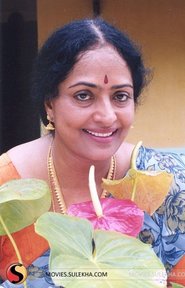
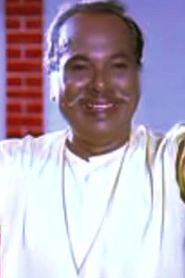
K. R. Vijaya & Senthamarai Movies Together List — 4 Films
Complete Movies List & Collaboration History
Last updated: 2026-07-12 · Data sources: Wikipedia, TMDB
K. R. Vijaya and Senthamarai appeared together in 4 Tamil films between 1964 and 1979. Their highest-rated collaboration was Thozhilali (1964 — 7.5/10). Films span Thozhilali (1964) through Naan Vazhavaippen (1979).
The K. R. Vijaya & Senthamarai partnership
From Thozhilali (1964) to Naan Vazhavaippen (1979). The unfolded closed with Naan Vazhavaippen in 1979. Thozhilali is the one most viewers reach for.
It started with Thozhilali (1964).
The shape of the work
The 1960s belonged to Thozhilali; the 1970s to Naan Vazhavaippen. K. R. Vijaya acted in every film; Senthamarai acted in all of them. Strictly Tamil cinema — they never crossed industries together.
Partnership facts
- For Thozhilali (1964), director M. A. Thirumugam cast Senthamarai as the villain opposite MGR. But the script needed a strong female lead to match his intensity. He picked K. R. Vijaya after seeing her in a stage play — she was just 19 and this was only her second film. Senthamarai later said he was nervous acting opposite someone so young, but she held her own from day one.
- In Akka Thangai (1969), Senthamarai played a cruel landlord who torments Vijaya's character. On set, he deliberately stayed in character between takes — refusing to smile or talk to her. Vijaya later revealed this actually helped her cry on cue. She said, 'He made me hate him so much that my tears came naturally.'
- Despite playing bitter enemies on screen, off-screen Senthamarai was protective of Vijaya. During the shoot of Annai Abirami (1972), a junior artiste accidentally hurt Vijaya's hand. Senthamarai stopped the shoot and personally bandaged her finger. Vijaya said he treated her like a younger sister — always checking if she had eaten, always making sure she had a chair to sit on.
- Their last film together, Naan Vazhavaippen (1979), was a turning point for Senthamarai. He played a father for the first time — Vijaya played his daughter. The film's emotional climax, where he breaks down begging for her forgiveness, became a template for father-daughter scenes in Tamil cinema for the next decade. Directors like Balu Mahendra cited this scene as inspiration.
- K. R. Vijaya once said in a 1985 interview: 'Senthamarai sir never let me feel like a newcomer. Even when he was shouting at me on screen, his eyes would check if I was okay. That's why I never feared acting with him — I knew he'd catch me if I fell.'
4 films across 2 decades
The 1960s brought 2 films together, anchored by Thozhilali (7.5/10).
The 1970s brought 2 films together, anchored by Naan Vazhavaippen (7.5/10).
- Thozhilali
- Akka Thangai0
- Naan Vazhavaippen
- Annai Abirami0
The partnership in numbers
Partnership Pattern
4 films across 15 years represents consistent collaboration.
Language Distribution
Linguistic diversity: 1 language, with Tamil being their primary medium.
Where each was in their career
After Naan Vazhavaippen, K. R. Vijaya kept going for 75 more films; Senthamarai stepped back.
Before Thozhilali, K. R. Vijaya had starred in 2 films, including Karpagam (1963) and Karpagam (1963).
After Naan Vazhavaippen, K. R. Vijaya went on to appear in 75 more films, including Veedu (1988) and Sri Rama Rajyam (2011).
Before Thozhilali, Senthamarai had starred in 1 film, including Thayilla Pillai (1961).
After Naan Vazhavaippen, Senthamarai went on to appear in 36 more films, including Polladhavan (1980) and Kazhugu (1981).
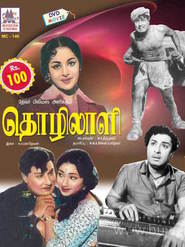
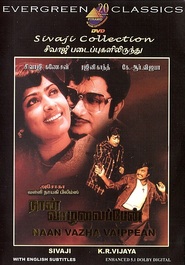
Collaboration Journey
A chronological view of K. R. Vijaya & Senthamarai's professional partnership
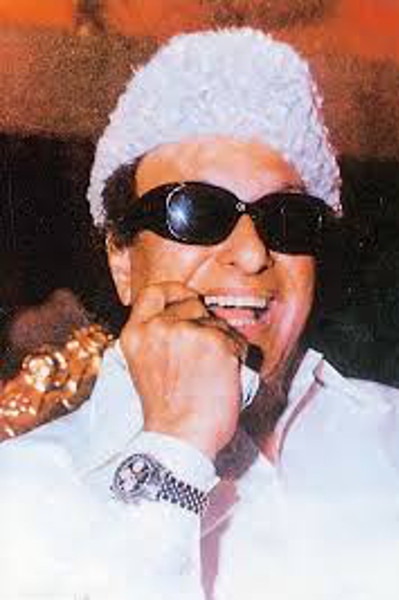
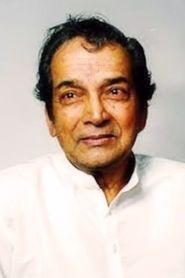
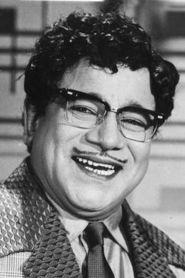
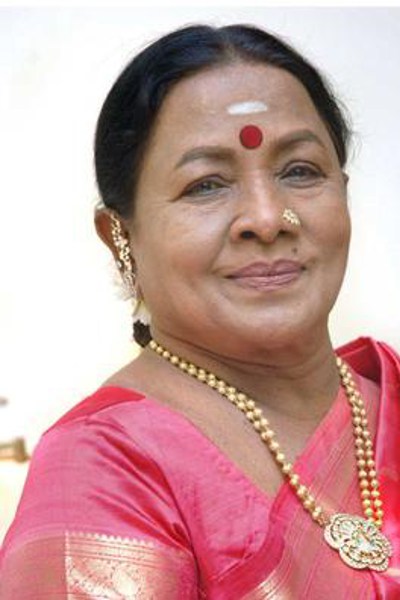
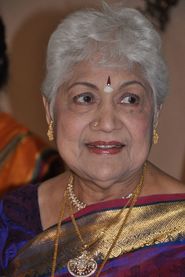
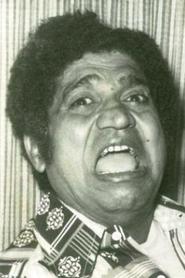
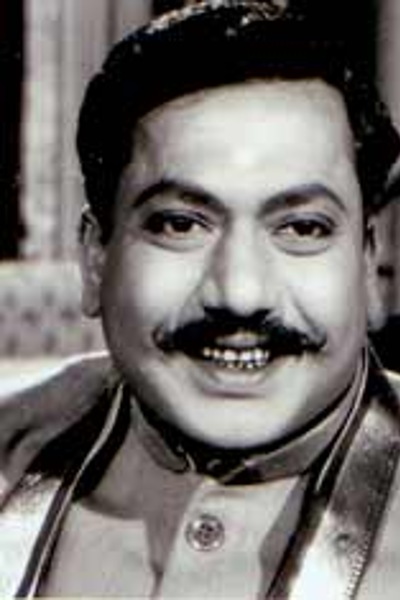
Actors and musicians who worked on most of their films
Nagesh is the through-line — cast on 3 of their 4 films. Nagesh appears alongside them in 3 films — practically a third lead.
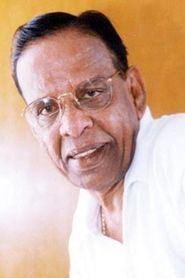 3
3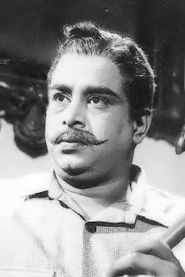 2
2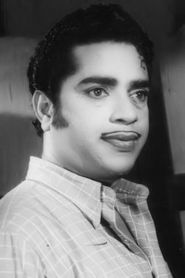 2
2
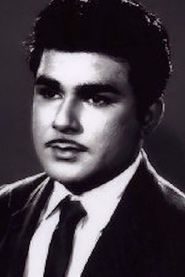
 2
2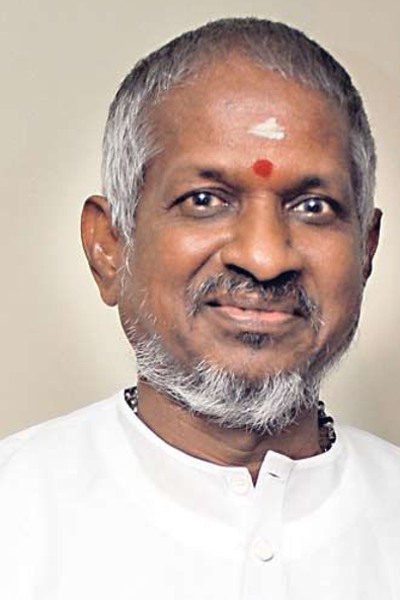
Other iconic Tamil director-actor duos
Discover other partnerships with comparable filmographies and ratings
 KanchanaMajor Sundarrajan
 Sukumari
 Sridevi
 Venniradai Moorthy
 J. Mahendran
 Dulquer Salman
 Prakash Raj
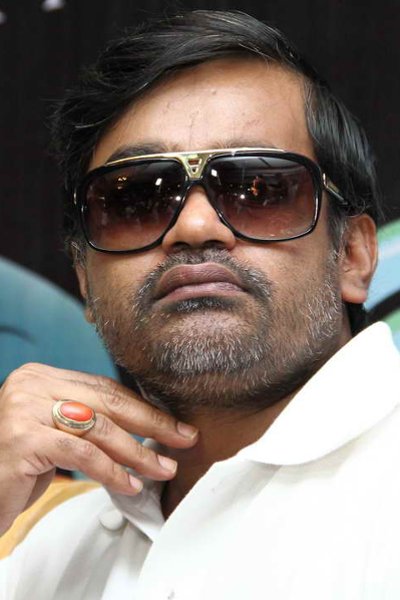 Selvaraghavan
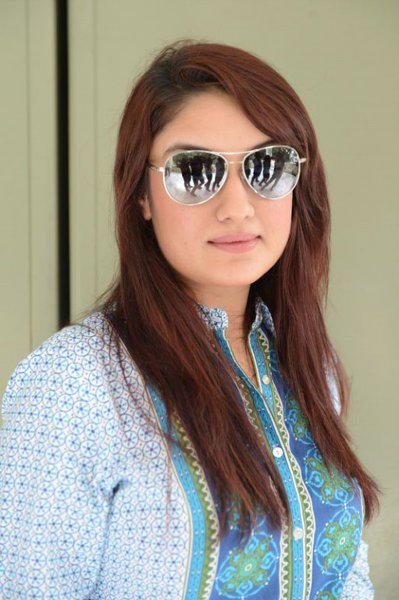 Sonia Agarwal
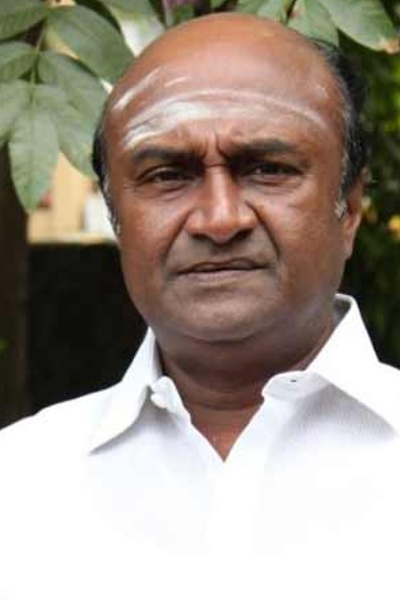 M. S. Bhaskar
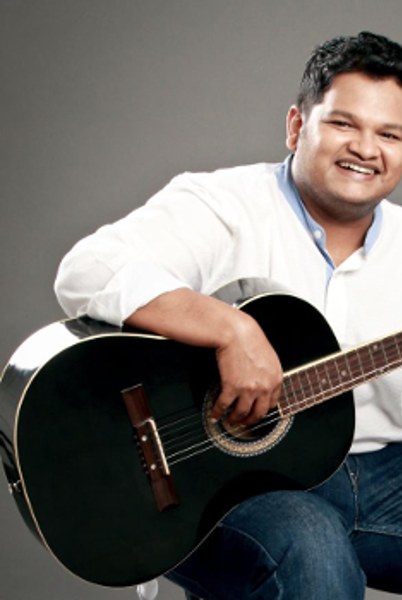 Mohamaad Ghibran