Tulsi Ramsay
Tulsi Ramsay is an Indian director, best known for Tamil cinema. Tulsi Ramsay began their career in 1979. With 30 credits to their name, Tulsi Ramsay remains one of the most prolific and celebrated talents in the industry. Spanning 40+ years, Tulsi Ramsay's career remains one of the longest and most celebrated in Tamil cinema.
Career Milestones
Film debut
View film →Highest rated: Aur Kaun? (6.8)
View film →Defining Moments
Do Gaz Zameen Ke Neeche
Co-directed this early horror film with Shyam Ramsay, helping establish the Ramsay Brothers' signature style.
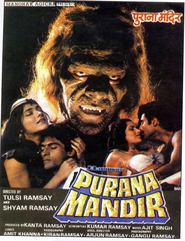
Purana Mandir
Co-directed this highly successful horror film, which became a cult classic and one of the Ramsay Brothers' biggest hits.
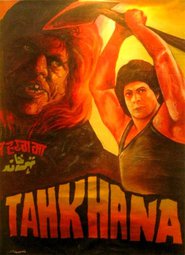
Tahkhana
Co-directed another popular horror film that solidified the Ramsay Brothers' reputation in the genre.
Tulsi Ramsay by the Numbers
If you watched every Tulsi Ramsay film back-to-back, you'd be at it for roughly 1 day and 15h. Most-paired with Puneet Issar — 3 films together.
Filmography
See all 30 credits →
Collaboration Network
The Constellation
Top 10 most-paired collaborators. Bubble size and line thickness reflect how many films they share with Tulsi Ramsay.
Career Analytics
Language Distribution
Films by Decade
Top Co-Actors
See all →Tulsi Ramsay has worked most frequently with Puneet Issar (3 films), Prem Chopra (3 films), Hemant Birje (3 films), Navin Nischol (3 films), and Vijayendra Ghatge (3 films).







Did You Know?
Tulsi Ramsay was a prominent Indian film director and producer, known for his work in the horror genre.
He was part of the Ramsay Brothers filmmaking family, which specialized in low-budget horror films.
Tulsi Ramsay co-directed many films with his brother Shyam Ramsay.
He contributed to the popular 'Ramsay horror' subgenre in Indian cinema during the 1970s-1990s.
Tulsi Ramsay's films often featured recurring actors like Aniruddh Agarwal and Hemant Birje.
Legacy & Influence
Tulsi Ramsay, alongside his brother Shyam Ramsay, was a pioneering figure in Indian horror cinema. As one of the seven Ramsay brothers, he was instrumental in creating a distinct, low-budget, and highly popular horror subgenre in Bollywood from the 1970s through the 1990s. His primary contribution was as a director and producer, often co-directing with Shyam. The Ramsay brand became synonymous with a specific formula: Gothic atmospheres, eerie havelis (mansions), vengeful spirits, scantily clad vampires, and inventive creature effects, all delivered with a pulp sensibility that resonated powerfully with mass audiences. Their films, such as 'Do Gaz Zameen Ke Neeche' (1972), 'Purana Mandir' (1984), and 'Bandh Darwaza' (1990), were major commercial successes that defined the horror experience for a generation of Indian moviegoers. Tulsi Ramsay's work democratized horror, making it a staple of the B-circuit and rural cinema halls. While often critically panned for their technical roughness and overt sensationalism, the Ramsay films cultivated a dedicated cult following. Their influence is evident in the way they established narrative tropes and visual iconography—like the 'chudail' (witch) and the snake-woman—that later filmmakers would reference and build upon. The Ramsay brothers proved that horror was a viable, profitable genre in India, paving the way for its intermittent revivals. Tulsi's legacy is that of a key architect of a uniquely Indian brand of cinematic horror that prioritized visceral chills and entertainment value, leaving an indelible mark on the industry's genre landscape and popular culture.