L. Vaidyanathan
L. Vaidyanathan is an Indian composer, best known for Tamil cinema. L. Vaidyanathan began their career in 1965 and has been a prominent figure in the industry for over 61 years. With 30 credits to their name, L. Vaidyanathan remains one of the most prolific and celebrated talents in the industry. Spanning 60+ years, L. Vaidyanathan's career remains one of the longest and most celebrated in Tamil cinema.
- Born
- Age
- 84
Biography
L. Vaidyanathan (born Lakshminarayana Vaidyanathan, 9 April 1942, Chennai) was a Tamil and Kannada film music composer who scored over 170 films, trained in Carnatic classical music and the younger brother of violinists L. Shankar and L. Subramaniam. His notable works include Ezhavathu Manithan (1982), Sandhya Raagam (1989), and the silent comedy Pushpaka Vimana (1987), for which he employed rare instruments and folk elements to create a purely musical narrative. In Kannada cinema he frequently collaborated with singer C. Ashwath under the joint credit 'Ashwath-Vaidi', and he composed the iconic theme music for the Doordarshan television serial Malgudi Days. He was awarded the Kalaimamani by the Government of Tamil Nadu in 2003 for his lifetime contributions to music and cinema, and passed away on 19 May 2007 in Chennai.
Career Milestones
Solo debut as music composer
Composed score for National Award-winning film screened at Indian Panorama and awarded Afro-Asian Solidarity Award in Soviet Union
View film →Created iconic theme music for Malgudi Days TV series, one of India's most recognized television themes
Composed score for National Award-winning film (Best Film on Family Welfare, 37th National Film Awards)
View film →Received Kalaimamani Award from Government of Tamil Nadu for contributions to music and cinema
L. Vaidyanathan by the Numbers
If you watched every L. Vaidyanathan film back-to-back, you'd be at it for roughly 1 day and 4h. Most-paired with Jayabharathi — 2 films together.
Filmography
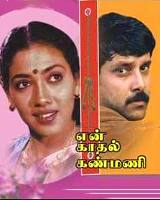
See all 30 credits →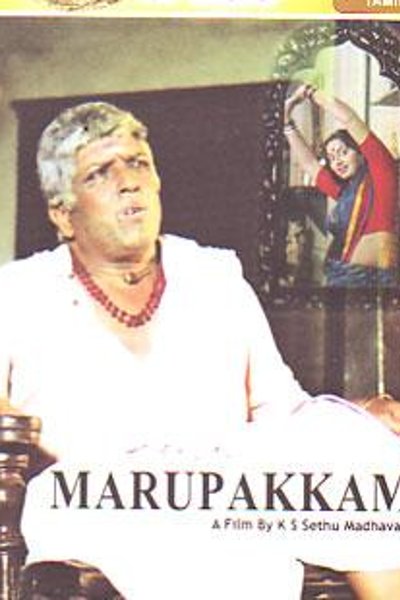
Collaboration Network
The Constellation
Top 6 most-paired collaborators. Bubble size and line thickness reflect how many films they share with L. Vaidyanathan.
Career Analytics
Language Distribution
Films by Decade
Top Co-Actors
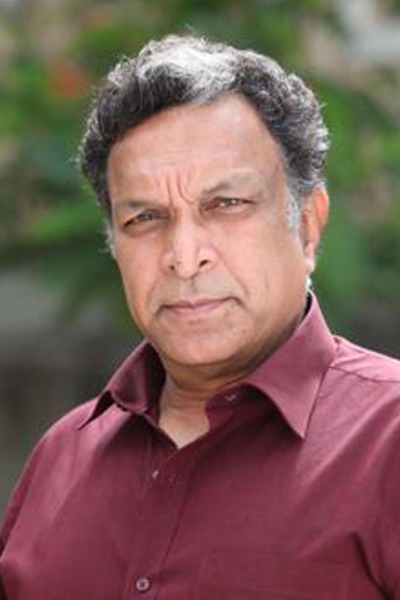
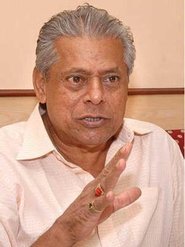
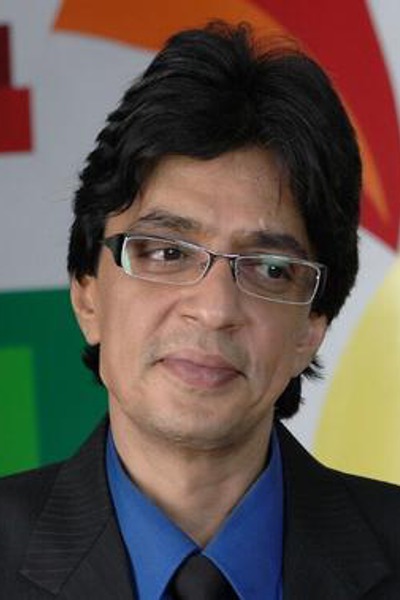
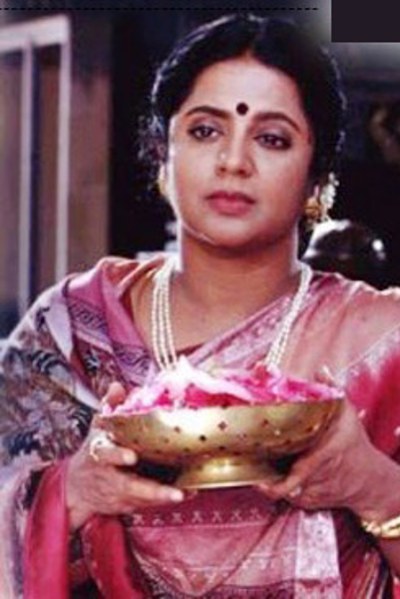
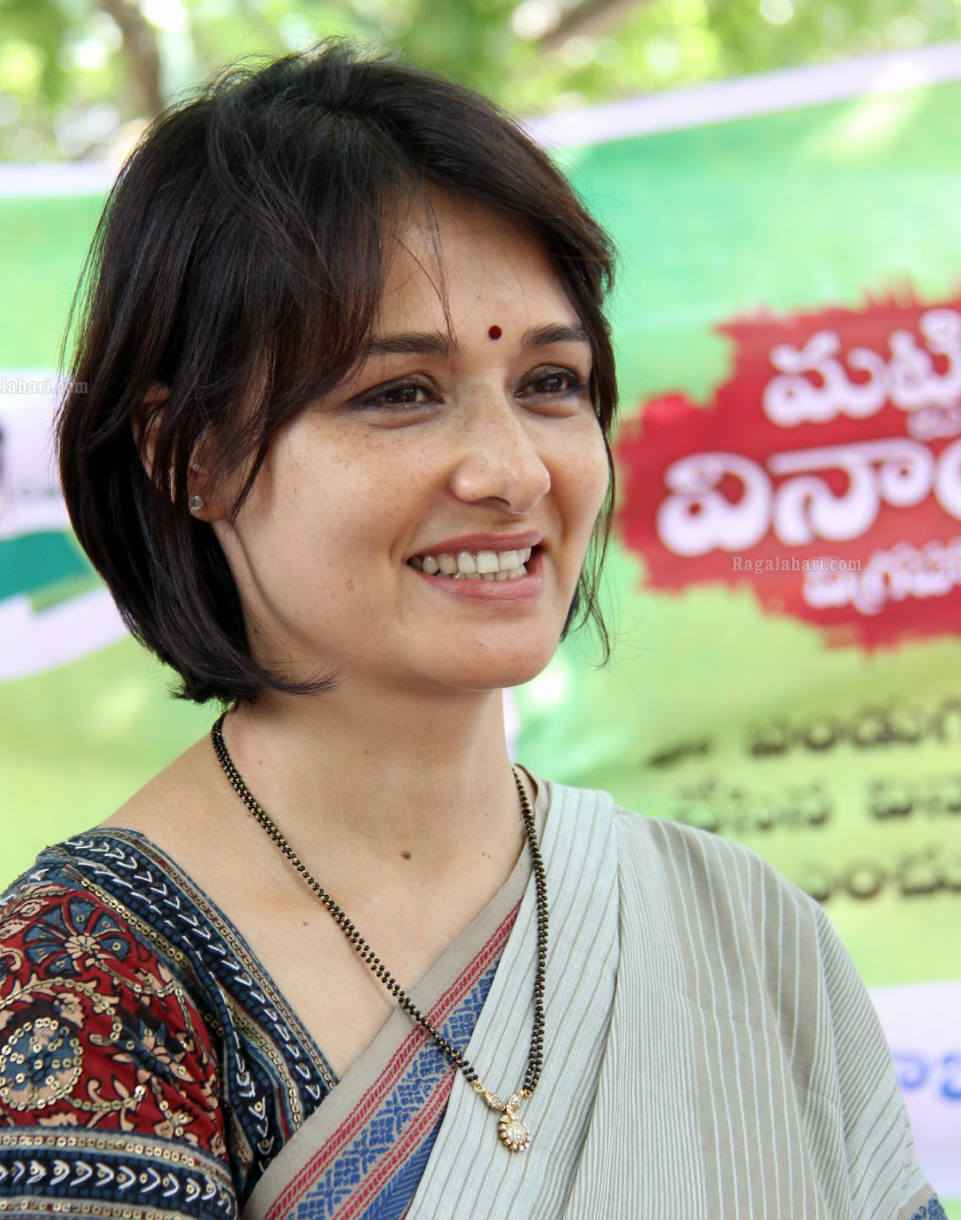
See all →L. Vaidyanathan has worked most frequently with Jayabharathi (2 films), Nassar (2 films), Delhi Ganesh (2 films), Raghuvaran (2 films), and Srividya (2 films).

Legacy & Influence
L. Vaidyanathan was a prominent composer, conductor, and violinist in South Indian cinema, primarily known for his work in Kannada and Tamil films from the 1970s through the 2000s. His career trajectory began under the mentorship of his father, the legendary composer L. Vaidyanathan, and he later established himself as a distinct musical voice. Vaidyanathan's primary contribution lies in his sophisticated orchestration and background score composition, which elevated the narrative depth of the films he worked on. He was highly regarded for his ability to blend classical Indian musical structures with contemporary orchestral arrangements, creating scores that were both emotionally resonant and technically accomplished. A significant phase of his career was his long-standing collaboration with acclaimed director Girish Kasaravalli, for whom he composed music for several landmark films in parallel cinema, including 'Ghatashraddha' and 'Mane'. These scores are noted for their minimalism, atmospheric quality, and deep integration with the films' themes, showcasing his versatility beyond mainstream commercial projects. He also composed for popular films like 'America America' and 'Hoomale' in Kannada, and 'Sathi Leelavathi' in Tamil, demonstrating a wide range. His work as a violinist and conductor for other composers further cemented his reputation as a meticulous and respected musician within the industry. Vaidyanathan's legacy is that of a musician's musician—a composer who prioritized artistic integrity and narrative support, influencing a generation of composers in South India with his emphasis on orchestral detail and thematic cohesion. His passing in 2007 marked the loss of a refined artist whose body of work continues to be studied for its musical craftsmanship.