Charan Raj
Charan Raj is an Indian actor, best known for Tamil cinema. Charan Raj began their career in 1987 and has been a prominent figure in the industry for over 39 years. With over 60 credits to their name, Charan Raj remains one of the most prolific and celebrated talents in the industry. Spanning 30+ years, Charan Raj's career remains one of the longest and most celebrated in Tamil cinema.
- Born
- Age
- 68
Biography
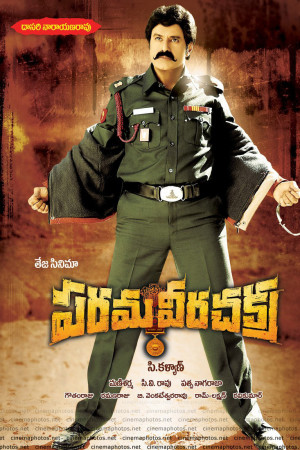
Charan Raj (born Charan Rajkumar, 27 April 1958) is an Indian actor primarily known for playing villain and antagonist roles across Tamil, Telugu, Kannada, Hindi, and Malayalam cinema, with a career spanning over 400 films. He is best recognized for his role as the menacing antagonist Anwar Baashha opposite Rajinikanth in the blockbuster Baashha (1995), and also appeared in Panakkaran (1990), Pratighaat (1987), and Nethaji (1996). Specializing in intense villain portrayals, Charan Raj built a reputation for bringing physicality and screen presence to antagonist characters across multiple South Indian film industries. He continued working in Telugu productions including Asadhyudu (2006) and Parama Veera Chakra (2011), maintaining an active career across decades.
Career Milestones
Film debut in Kannada cinema
Telugu film debut with major villain role
Breakthrough Tamil villain role opposite Rajinikanth
View film →Directorial debut in Tamil cinema
Accumulated over 400 film appearances across Tamil, Telugu, Kannada, and Malayalam cinema
Iconic Roles
Pratighaat
Dreaded underworld don and extortionist shielded by political power who terrorizes an entire town. Charan Raj won the Nandi Award for Best Villain for this role in the original Telugu version Pratighatana (1985).
Baashha
His most iconic Tamil villain role opposite Rajinikanth in the blockbuster that ran 15 months in theatres; notably, Rajinikanth's character adopts the name 'Baasha' from Charan Raj's character.
Panakkaran
Ruthless antagonist who plots to eliminate Rajinikanth's character by transferring him to an Ooty estate, one of his memorable Tamil villain roles.
Gentleman
A police officer role that showcased a positive, different dimension of his acting, widely praised by audiences as a departure from his villain typecasting.
Defining Moments
Villain confrontation sequences in Pratighaat — an early career performance that helped establish his commanding screen presence in South Indian action cinema
Among his earliest cross-industry villain roles, setting the foundation for his 400+ film career as one of South Indian cinema's most recognizable character actors.
View film →Shankar engineers a plot to eliminate protagonist Muthu by arranging his transfer to an Ooty estate and orchestrating his death during a function — a cold, calculated villain arc
One of his earliest prominent villain roles alongside Rajinikanth, establishing his template as a scheming, authoritative antagonist in Tamil commercial cinema.
View film →Death of Anwar Baashha on the main street — Anwar is killed by mafia don Antony's henchmen after questioning the don's criminal empire, triggering Rajinikanth's transformation from a peaceful school teacher back into the feared gangster Manickam
This is Charan Raj's most cited role. His character's death is the emotional catalyst of the entire film and one of Tamil cinema's most memorable 'friend's sacrifice' moments, making it iconic in Rajinikanth's filmography.
View film →Charan's police officer role where he arrests the principal antagonist Baba, providing the law-enforcement resolution to the film's climax
Demonstrated his range beyond pure villainy, taking a supporting authority figure role in a major Tamil political action film.
View film →Satan (Asuran) kills a saint and relentlessly pursues a child, only to be repeatedly repelled by the goddess Palayathu Amman — Charan Raj's supernatural villain commands nearly every major confrontation sequence
His portrayal of the demonic antagonist Saathaan became a defining villain performance in Tamil devotional/fantasy cinema, widely remembered for intensity and physicality.
View film →Charan Raj by the Numbers
If you watched every Charan Raj film back-to-back, you'd be at it for roughly 3 days and 16h. Most-paired with Rajinikanth — 5 films together.
Filmography
See all 60 credits →





Collaboration Network
The Constellation
Top 10 most-paired collaborators. Bubble size and line thickness reflect how many films they share with Charan Raj.
Career Analytics
Genre Breakdown
Language Distribution
Films by Decade
Top Co-Actors
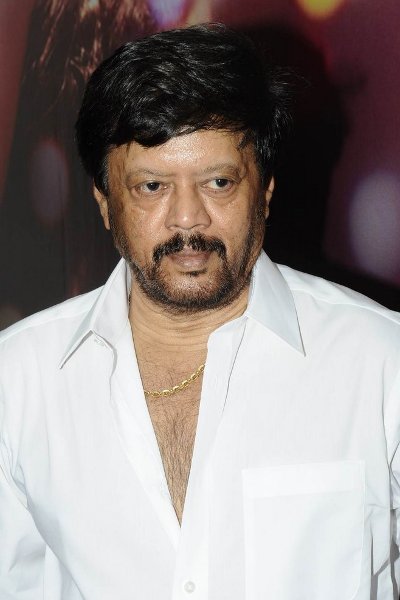
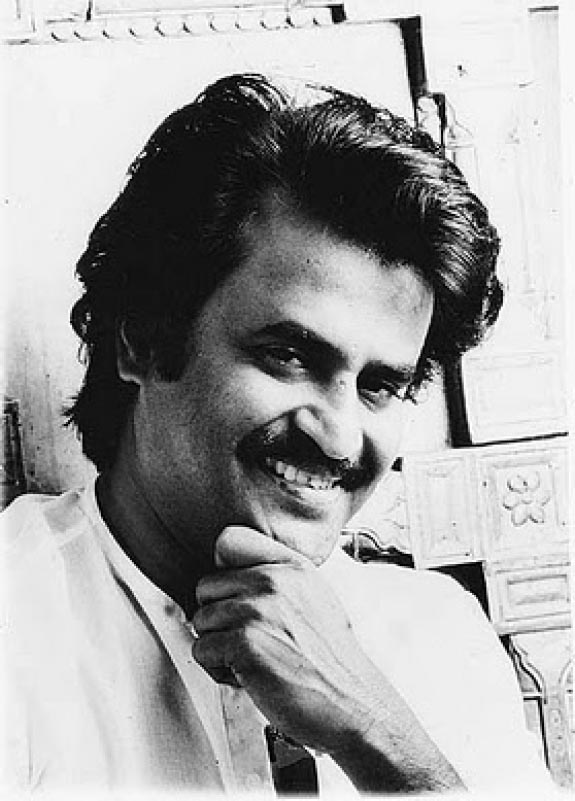
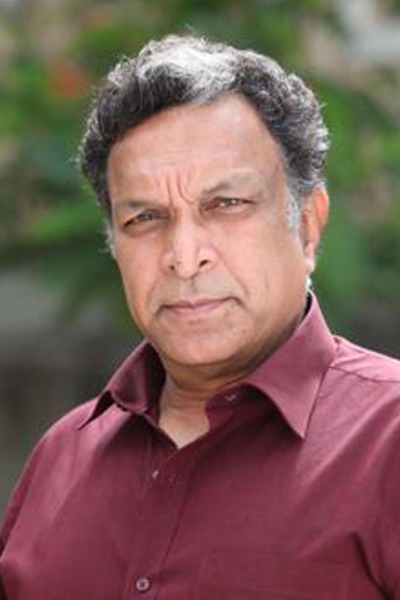
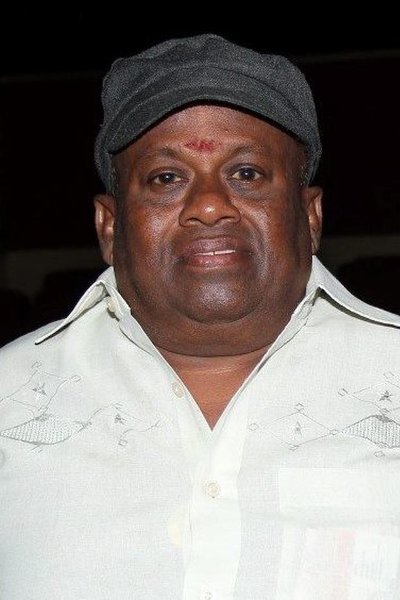
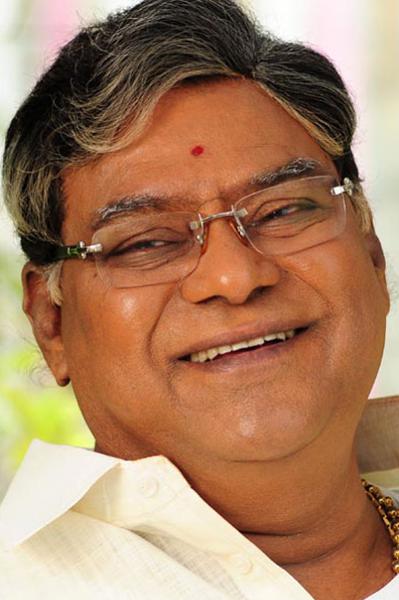
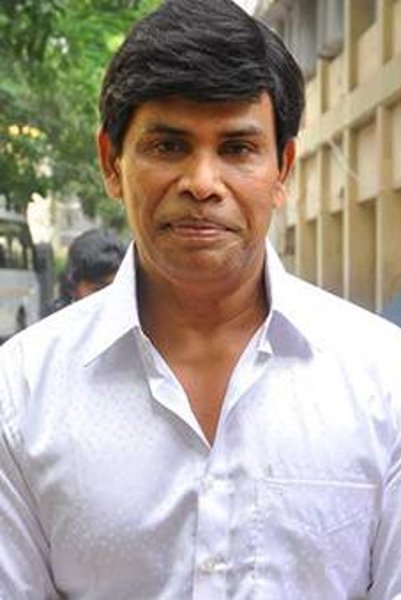
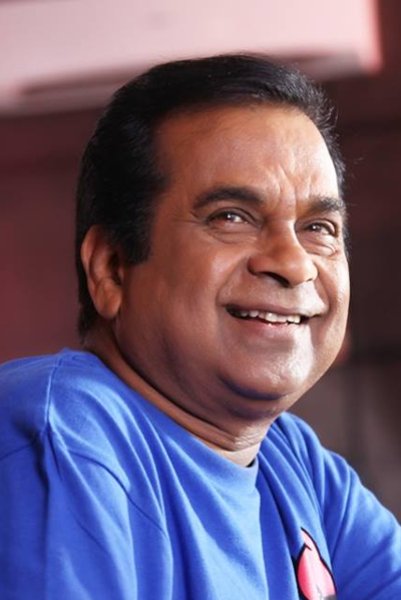
See all →Charan Raj has worked most frequently with Thyagarajan (2 films), N. Chandra (2 films), Rajinikanth (5 films), Nassar (5 films), and Senthil (4 films).


Legacy & Influence
Charan Raj is a respected figure in South Indian cinema, primarily known for his work as a composer and actor in the Kannada and Tamil film industries. His career trajectory is marked by a significant shift from acting to music composition, where he has made his most notable contributions. As an actor in the 1990s, he appeared in supporting roles in films like the iconic 'Baashha' (1995), where his portrayal of Anwar added depth to the narrative, and in critically acclaimed works such as 'Karthavyam' (1991). However, his lasting impact stems from his evolution into a music director. Charan Raj's compositional work is celebrated for its melodic richness, innovative fusion of traditional Indian sounds with contemporary arrangements, and its strong narrative alignment. He gained major recognition for his scores in Kannada cinema, notably for films like 'Kendasampige' (2015) and 'Tagaru' (2018), where his music became integral to the films' success and cultural resonance. His ability to craft memorable background scores and songs that enhance the emotional texture of a film has earned him a dedicated following. Charan Raj's contribution lies in elevating the musical landscape of Kannada cinema in the 2010s, bringing a fresh, sophisticated sound that appealed to both mass and class audiences. He is regarded as a musician's musician, often praised for his intricate orchestration and commitment to artistic integrity over commercial formula. His work has influenced a new generation of composers in the region, demonstrating that regional film music can achieve national-level acclaim and artistic complexity.