Sanjay Gupta
Sanjay Gupta is an Indian director, best known for Tamil cinema. Sanjay Gupta began their career in 1994 and has been a prominent figure in the industry for over 32 years. With 30 credits to their name, Sanjay Gupta remains one of the most prolific and celebrated talents in the industry. Spanning 30+ years, Sanjay Gupta's career remains one of the longest and most celebrated in Tamil cinema.
- Born
- Age
- 56
Biography
Sanjay Gupta is a Mumbai-born Hindi cinema director, producer, and screenwriter who debuted with Aatish: Feel the Fire (1994) after apprenticing under director Raj Sippy. He gained wide recognition with Kaante (2002), an unofficial adaptation of Quentin Tarantino's Reservoir Dogs, and followed it with similarly stylized crime films like Musafir (2004) and Zinda (2006), a remake of the Korean thriller Oldboy. His work is distinguished by a recurring interest in adapting Hollywood action and crime narratives for Indian audiences, often collaborating with actors Sanjay Dutt and John Abraham. His later films Mumbai Saga (2021) and The Miranda Brothers (2024) continued his focus on gritty, male-ensemble crime dramas set in urban India.
Career Milestones
Directorial debut with action drama
View film →Breakthrough with acclaimed ensemble crime thriller, unofficial remake of Reservoir Dogs
View film →Founded White Feather Films production company
Directed crime thriller based on real Mumbai underworld events
View film →Directed revenge thriller starring Hrithik Roshan
View film →Defining Moments
Hong Kong-style stylized gunplay and action choreography inspired by John Woo's aesthetic, introduced to mainstream Bollywood audiences
As Gupta's directorial debut, established his career-long commitment to adapting international action cinema for Indian audiences and laid the groundwork for his later iconic films
View film →Kaante's multi-character introduction via voiceover with intense facial close-ups, establishing the gritty ensemble tone while reimagining Reservoir Dogs for Bollywood
Breakthrough film that established Gupta as a visionary adapter of Western action thrillers; Tarantino reportedly praised it as his favorite remake of his own work, legitimizing Gupta's approach to translating Hollywood crime narratives for Indian cinema
View film →Hideout confrontation between the heist crew (Amitabh Bachchan, Sanjay Dutt, Mahesh Manjrekar) as loyalties fracture under pressure before the bank robbery
Defined Gupta's ability to balance high-octane heist thrills with character-driven interpersonal conflict — rare in Bollywood action of that era — securing his reputation for intelligent, layered crime narratives
View film →Sanjay Dutt's hammer fight sequence — a brutal, raw combat scene against multiple opponents reflecting the protagonist's vengeful desperation
Gupta's translation of the iconic Oldboy corridor/hammer fight (Park Chan-wook) into Bollywood became a landmark moment, demonstrating his ability to adapt extreme Korean action cinema for Indian audiences and cementing his signature style of stylized graphic combat
View film →The historically-grounded gangland shootout and encounter sequences depicting 1982 Mumbai underworld violence with gritty procedural realism
Marked Gupta's evolution beyond pure Hollywood remakes into original crime-drama grounded in Mumbai's actual underworld history, showing his maturation as a filmmaker
View film →Sanjay Gupta by the Numbers
If you watched every Sanjay Gupta film back-to-back, you'd be at it for roughly 1 day and 20h. Most-paired with Sanjay Dutt — 7 films together.
Filmography
See all 30 credits →

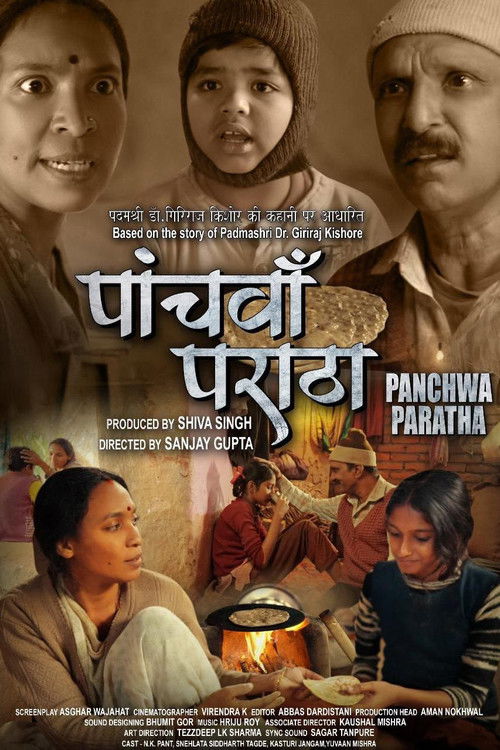
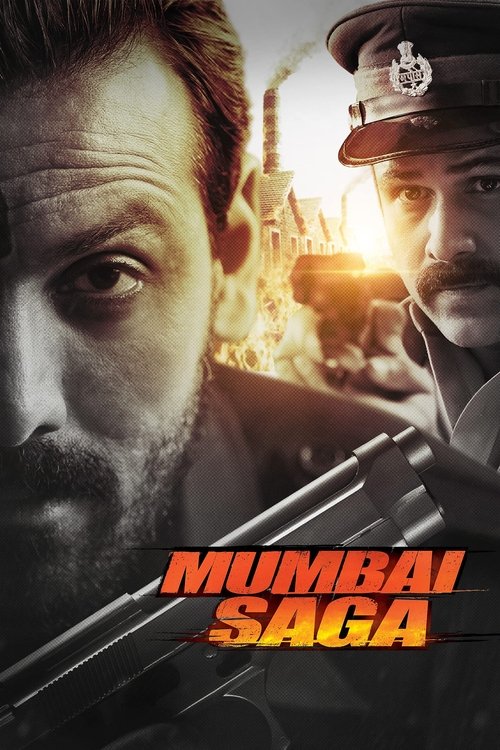
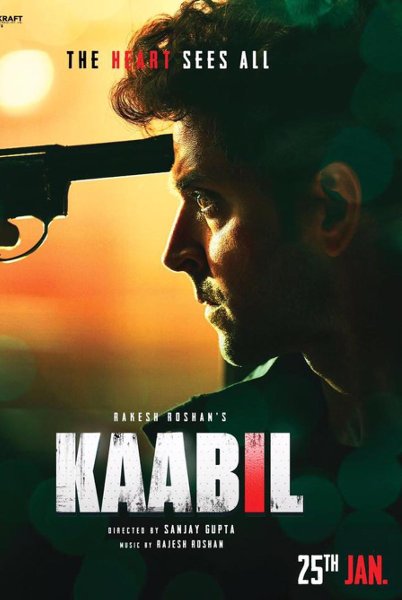


Collaboration Network
The Constellation
Top 10 most-paired collaborators. Bubble size and line thickness reflect how many films they share with Sanjay Gupta.
Career Analytics
Genre Breakdown
Language Distribution
Films by Decade
Top Co-Actors
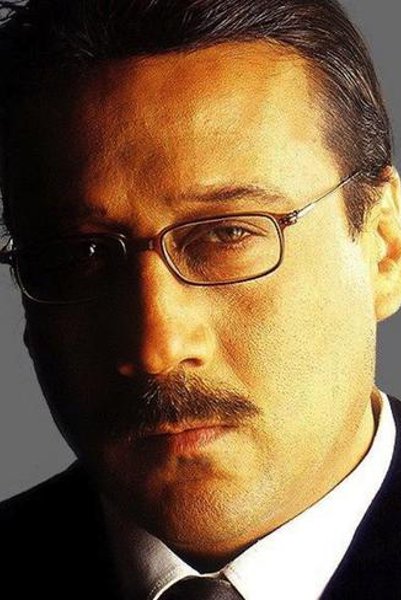
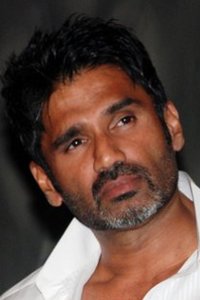
See all →Sanjay Gupta has worked most frequently with Sanjay Dutt (7 films), Mahesh Manjrekar (6 films), John Abraham (4 films), Aditya Pancholi (4 films), and Jackie Shroff (3 films).






Did You Know?
Sanjay Gupta is an Indian film director, producer, and screenwriter known for his work in Hindi cinema.
He is often referred to as the 'Bhatt camp protégé' as he started his career working with Mahesh Bhatt.
He made his directorial debut with the 1994 film 'Aatish: Feel the Fire'.
He is known for directing stylish, fast-paced thrillers and action films, often inspired by Hollywood movies.
He founded White Feather Films, a production company.
Legacy & Influence
Sanjay Gupta is a prominent Indian film director, producer, and screenwriter, primarily known for his work in Hindi cinema. Emerging in the 1990s, Gupta established a distinct stylistic identity, heavily influenced by Hollywood and Hong Kong action cinema, which he adeptly adapted for Indian audiences. His early directorial ventures, such as 'Aatish' (1994) and 'Khauff' (2000), showcased his flair for slick, fast-paced narratives and technical polish in the action-thriller genre. A significant career milestone was the 2002 film 'Kaante', a multi-starrer heist thriller notably inspired by Quentin Tarantino's 'Reservoir Dogs'. The film was a technical benchmark for its time in India, featuring stylized cinematography, non-linear storytelling, and a gritty aesthetic that left a mark on the industry's approach to urban, ensemble-cast thrillers. While his filmography has seen commercial fluctuations, Gupta carved a niche as a maker of stylish, high-concept entertainers, often with remakes or adaptations at their core. As a producer and the founder of White Feather Films, he has also backed various projects, contributing to the commercial ecosystem. His influence lies in popularizing a specific brand of visually sharp, metropolitan-centric cinema that appealed to a youth demographic and pushed the envelope in production design and editing rhythms within mainstream Bollywood frameworks. His career represents a strand of commercial filmmaking that prioritizes style, star power, and genre conventions, making him a recognizable figure in the landscape of contemporary Hindi cinema.