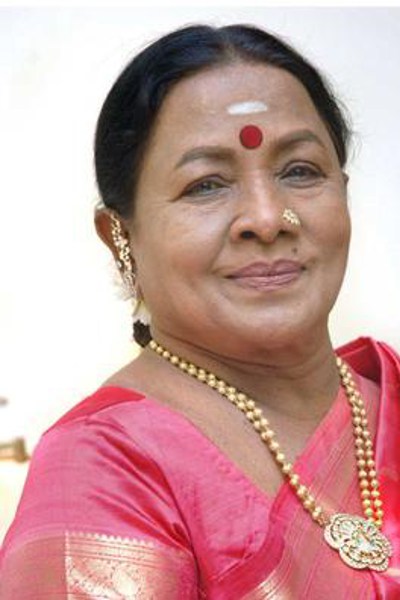
Manorama & Krishnan-Panju Movies Together List — 6 Films
Complete Movies List & Collaboration History
Last updated: 2026-07-13 · Data sources: Wikipedia, TMDB
Manorama and Krishnan-Panju appeared together in 6 Tamil films between 1963 and 1977. Their highest-rated collaboration was Server Sundaram (1964 — 8.5/10). Films span Kungumam (1963) through Ilaya Thalaimurai (1977).
The Manorama & Krishnan-Panju partnership
Remarkably even — every film rates between 7.1 and 8.5. From Kungumam (1963) to Ilaya Thalaimurai (1977). Uyarndha Manidhan (1968, 7.5/10) is the underseen one in the catalogue.
The ran closed with Ilaya Thalaimurai in 1977. Server Sundaram is the one most viewers reach for.
The shape of the work
The 1960s account for 67% of everything they made together. The 1960s belonged to Server Sundaram; the 1970s to Engal Thangam. Manorama acted in every film; Krishnan-Panju directed all of them. Strictly Tamil cinema — they never crossed industries together.
Partnership facts
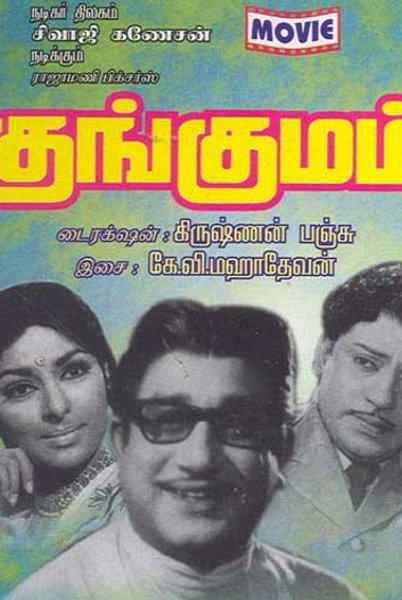
- Kungumam (1963) was the first time Manorama and the Krishnan-Panju duo worked together. The film was a huge hit, and it was Krishnan-Panju who insisted on casting her for the role of the village belle — they saw something raw in her that other directors missed.
- On the sets of Uyarndha Manidhan (1968), Manorama would often improvise her comic timing, and Krishnan-Panju let her run with it. They rarely gave her a fixed script for comedy scenes — they trusted her instinct more than their own writing.
- Engal Thangam (1970) was the film that launched Manorama as a full-fledged comedy star in Tamil cinema. Before this, she was mostly a supporting actress. Krishnan-Panju gave her a meaty comic role that changed how the industry saw her.
- Manorama and Krishnan-Panju shared a close bond off-screen. She often called them 'my directors' and would visit their office unannounced just to chat. They never had a formal contract — just a handshake and a promise.
- Manorama once said in an interview: 'Krishnan-Panju gave me the freedom to be myself. They never tied me down with dialogues. They just said, 'Go, do your magic.' That trust made me give my best.'
- Ilaya Thalaimurai (1977) was their last film together. It was also the film that introduced a young comedian named S. Ve. Shekhar to Tamil cinema — a direct result of Manorama recommending him to Krishnan-Panju during the shoot.
6 films across 2 decades
The 1960s brought 4 films together, anchored by Server Sundaram (8.5/10).
The 1970s brought 2 films together, anchored by Engal Thangam (7.3/10).
- Server Sundaram
- Kungumam
- Engal Thangam
- Ilaya Thalaimurai
The partnership in numbers
Partnership Pattern
6 films across 14 years represents consistent collaboration.
Language Distribution
Linguistic diversity: 1 language, with Tamil being their primary medium.
Where each was in their career
40% of Krishnan-Panju's screen credits are with Manorama. After Ilaya Thalaimurai, Manorama kept going for 192 more films; Krishnan-Panju stepped back.
Before Kungumam, Manorama had starred in 4 films, including Kalathur Kannamma (1960) and Policekaran Magal (1962).
After Ilaya Thalaimurai, Manorama went on to appear in 192 more films, including Enakkul Oruvan (1984) and Indian (1996).
Before Kungumam, Krishnan-Panju had directed 4 films, including Annai (1962) and Mamiyarum Oru Veetu Maumagale (1961).
After Ilaya Thalaimurai, Krishnan-Panju went on to direct 5 more films, including Neela Malargal (1979) and Perai Solla Oru Pillai (1978).
Collaboration Journey
A chronological view of Manorama & Krishnan-Panju's professional partnership
Actors and musicians who worked on most of their films
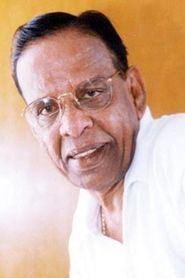
Nagesh is the through-line — cast on 4 of their 6 films. Nagesh appears alongside them in 4 films — practically a third lead. M. S. Viswanathan scored 3 of them.
 4
4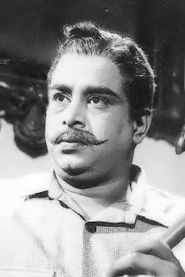 3
3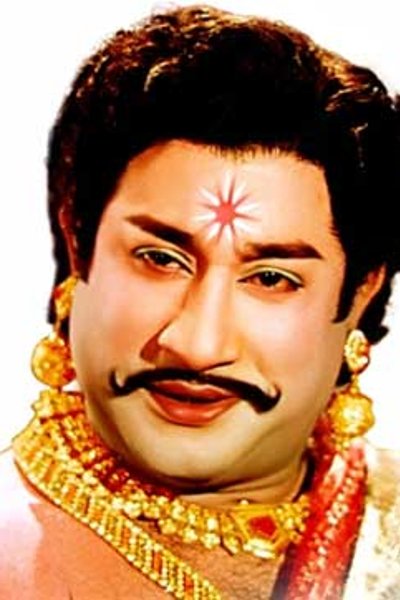 3
3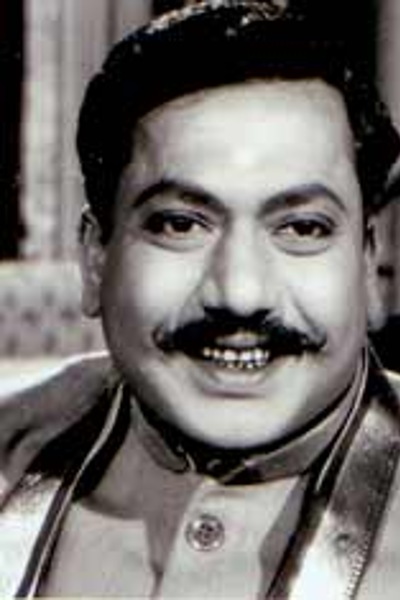 3
3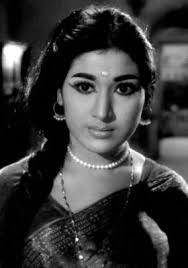 3
3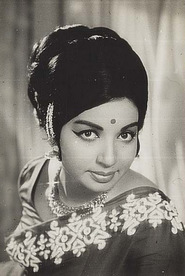 2
2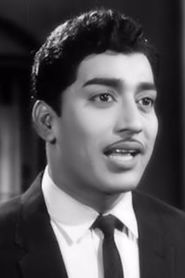 2
2 2
2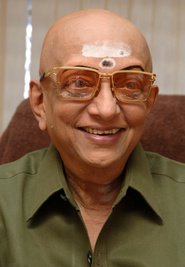






 3
3 3
3
Other iconic Tamil director-actor duos
Discover other partnerships with comparable filmographies and ratings
 Santhosh Narayanan
 C. V. Kumar
 Pa. Ranjit
 Kalaiyarasan
 M. S. Bhaskar
 Rajinikanth
 J. Mahendran
 Thengai Srinivasan
 Vijay Sethupathi
 Bobby Simha