Hamsalekha
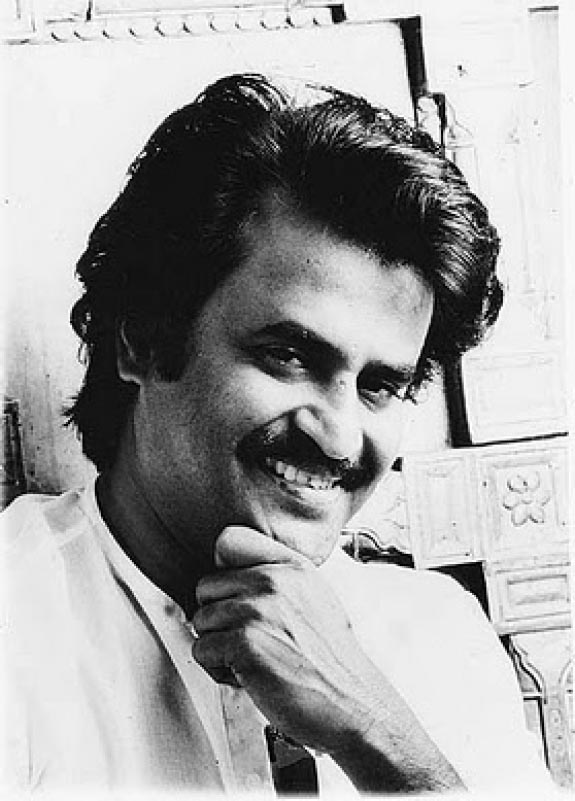
Hamsalekha is an Indian composer, best known for Tamil cinema. Hamsalekha began their career in 1987 and has been a prominent figure in the industry for over 39 years. With 30 credits to their name, Hamsalekha remains one of the most prolific and celebrated talents in the industry. Spanning 30+ years, Hamsalekha's career remains one of the longest and most celebrated in Tamil cinema.
- Born
- Age
- 75
Biography
Gangaraju, known professionally as Hamsalekha, is an Indian film composer and lyricist primarily working in Kannada cinema, with notable forays into Tamil cinema including Kodi Parakuthu (1988) and Velai Kidaichuduchu (1990). He rose to prominence with the 1987 Kannada blockbuster Premaloka and has since composed music for over 300 feature films, winning one National Film Award, six Filmfare Awards South for Best Music Director, and seven Karnataka State Film Awards. His work is distinguished by high-energy, melodic compositions that blend folk elements with film music, and he has written lyrics for approximately 300 films alongside his music direction work. He also received an honorary doctorate from Bangalore University in recognition of his contributions to Kannada cinema and culture.
Hamsalekha by the Numbers
If you watched every Hamsalekha film back-to-back, you'd be at it for roughly 18 hours. Most-paired with Bharathiraja — 2 films together.
Filmography
See all 30 credits →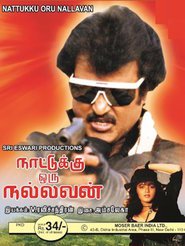
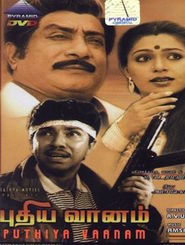
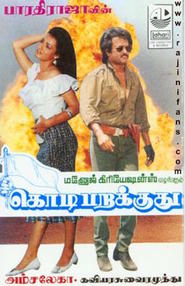
Collaboration Network
The Constellation
Top 5 most-paired collaborators. Bubble size and line thickness reflect how many films they share with Hamsalekha.
Career Analytics
Language Distribution
Films by Decade
Top Co-Actors
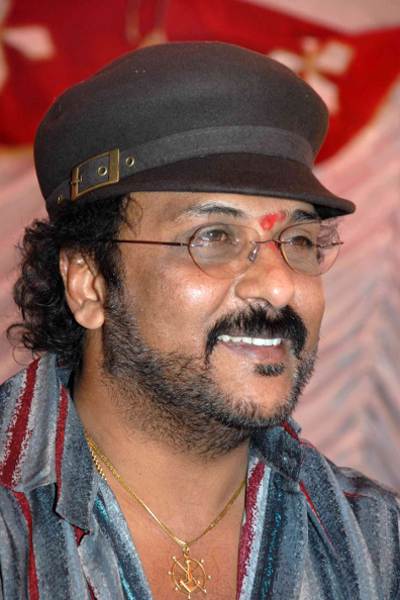
See all →Hamsalekha has worked most frequently with Bharathiraja (2 films), V. Ravichandran (2 films), Rajinikanth (2 films), Kushboo (2 films), and Juhi Chawla (2 films).



Did You Know?
Hamsalekha is a renowned Indian music composer, lyricist, and singer primarily in Kannada cinema.
He is known for pioneering the use of synthesizers and modern orchestration in Kannada film music in the late 1980s and 1990s.
His real name is G. S. Ranganatha Rao.
He has composed music for over 500 films in Kannada, Tamil, Telugu, and Hindi.
He is a recipient of the National Film Award for Best Music Direction for the Kannada film 'Muthina Haara' (1990).
Legacy & Influence
Hamsalekha, born Govindaraju Gangaraju, is a monumental figure in Indian cinema, primarily celebrated as a pioneering composer-lyricist in Kannada cinema whose influence profoundly reshaped South Indian film music from the late 1980s onwards. His career trajectory began with the 1988 film 'Premaloka,' directed by Ravichandran, which marked a seismic shift. Hamsalekha introduced a fresh, contemporary sound by masterfully blending Western pop, rock, and disco elements with traditional Indian folk and classical melodies, creating a vibrant, youthful palette that resonated deeply with a new generation. This 'Kannada film music revolution' made soundtracks central to a film's commercial success and cultural footprint. His prolific output, composing for over 500 films across Kannada, Tamil, Telugu, and Hindi, is characterized by catchy, accessible tunes and relatable, often philosophical lyrics. He played a crucial role in the careers of numerous superstars, including Shiva Rajkumar and Upendra, with his music defining the cinematic identity of an era. Beyond composition, his work as a lyricist added narrative depth and popularized colloquial Kannada in songs. His influence extended beyond Karnataka, impacting the sonic landscape of neighboring industries. Hamsalekha's legacy is that of a modernizer who successfully bridged traditional sensibilities with global trends, setting a new standard for film music composition and permanently altering audience expectations. His body of work remains a foundational reference point for subsequent composers.