
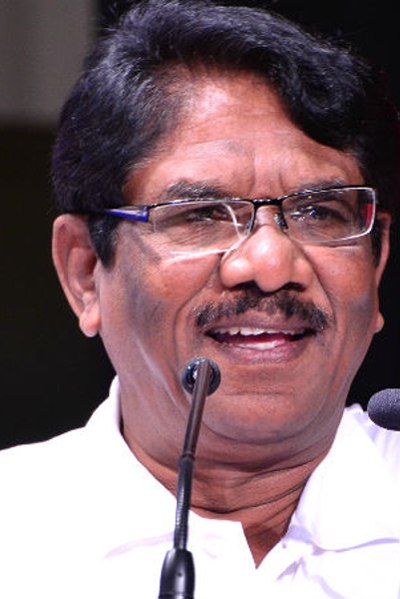
Raadhika Sarathkumar & Bharathiraja Movies Together List — 6 Films
Complete Movies List & Collaboration History
Last updated: 2026-07-13 · Data sources: Wikipedia, TMDB
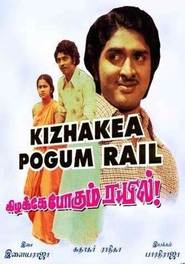
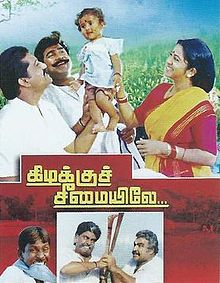
Raadhika Sarathkumar and Bharathiraja appeared together in 6 Tamil films between 1978 and 1999. Their highest-rated collaboration was Kizhakku Cheemayile (1993 — 8.2/10). Films span Kizhake Pogum Rail (1978) through Taj Mahal (1999).
The Raadhika Sarathkumar & Bharathiraja partnership
After 10 years apart, they came back together for Kizhakku Cheemayile (1993). They didn't share a set between 1983 and 1993. Their work runs across 3 decades of Tamil cinema.
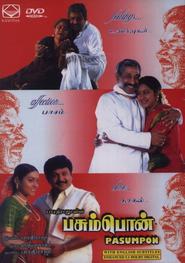
The work is uneven: Kizhakku Cheemayile (8.2) at one end, Pasumpon (4.3) at the other. From Kizhake Pogum Rail (1978) to Taj Mahal (1999).
The shape of the work
The 1970s belonged to Kizhake Pogum Rail; the 1990s to Kizhakku Cheemayile. Raadhika Sarathkumar acted in every film; Bharathiraja directed all of them. Strictly Tamil cinema — they never crossed industries together.
Partnership facts
- Bharathiraja cast Raadhika in Kizhake Pogum Rail (1978) right after she debuted in Malayalam. He saw her in a magazine cover and tracked her down. She was just 14. He had to convince her parents she'd play a village girl, not a glam role.
- On Niram Maaratha Pookkal (1979), Bharathiraja made Raadhika shoot a key crying scene 14 times. She later said he pushed her to find a raw, unpolished grief — not the 'pretty cry' other directors wanted. That scene became her breakout moment.
- Kizhakku Cheemayile (1993) launched a whole wave of 90s village-based Tamil films. It was the first time Bharathiraja used Raadhika as a mature, authoritative mother figure — a template that dozens of later films copied for the 'strong amma' character.
- Raadhika has said in interviews that Bharathiraja treated her like a daughter on set. He personally taught her how to walk barefoot on hot village soil for Kizhake Pogum Rail — something she'd never done growing up in a city family.
- Raadhika once said: 'Bharathiraja didn't just direct me — he sculpted me. Every tear, every silence in those early films was his hand on my shoulder.' She said this in a 2018 interview recalling Niram Maaratha Pookkal.
- In Thavani Kanavugal (1983), Bharathiraja deliberately broke Raadhika's usual dialogue-heavy style. He made her convey entire scenes with just her eyes and body language — no words for stretches of 5-7 minutes. She later called it the hardest role he ever gave her.
6 films across 3 decades
The 1970s brought 2 films together, anchored by Kizhake Pogum Rail (7.5/10).
The 1980s accounted for 1 film.
The 1990s brought 3 films together, anchored by Kizhakku Cheemayile (8.2/10).
- Kizhake Pogum Rail
- Niram Maaratha Pookkal
- Thavani Kanavugal0
- Kizhakku Cheemayile
- Taj Mahal
The partnership in numbers
Partnership Pattern
6 films across 21 years represents consistent collaboration.
Language Distribution
Linguistic diversity: 1 language, with Tamil being their primary medium.
Where each was in their career
Kizhake Pogum Rail was Raadhika Sarathkumar's acting debut.
After Taj Mahal, Raadhika Sarathkumar went on to appear in 30 more films, including Chennaiyil Oru Naal (2013) and Dharma Durai (2016).
Before Kizhake Pogum Rail, Bharathiraja had directed 1 film, including Padhinaru Vayadhiniley (1977).
After Taj Mahal, Bharathiraja went on to direct 26 more films, including Seethakathi (2018) and Thiruchitrambalam (2022).
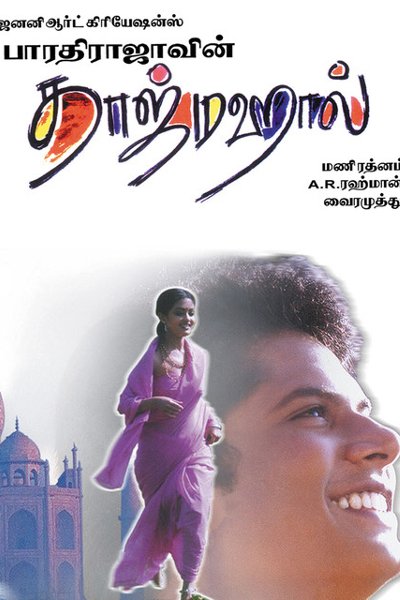
Collaboration Journey
A chronological view of Raadhika Sarathkumar & Bharathiraja's professional partnership
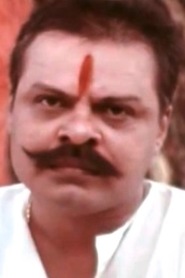
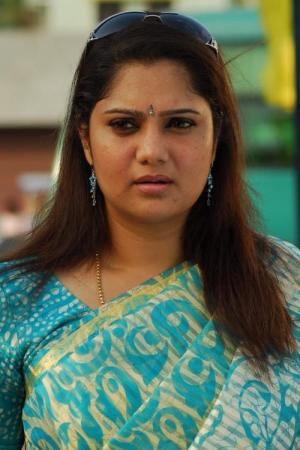
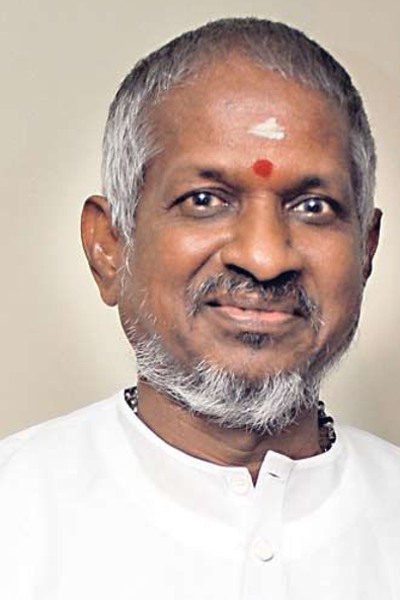
Actors and musicians who worked on most of their films
Ilayaraja is the through-line — music on 3 of their 6 films. Ilayaraja scored 3 of them.
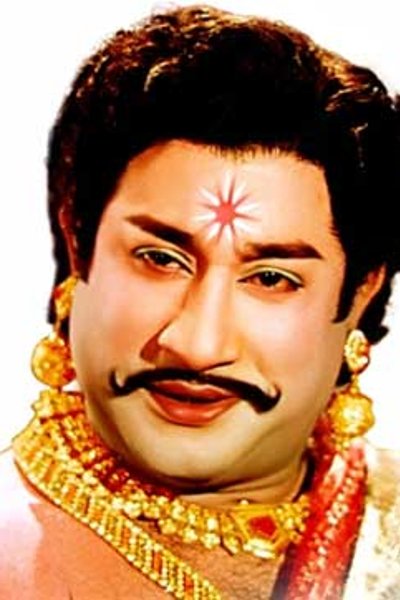 2
2 2
2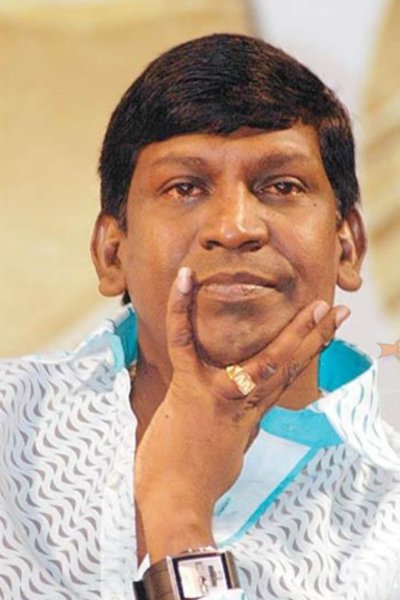 2
2 2
2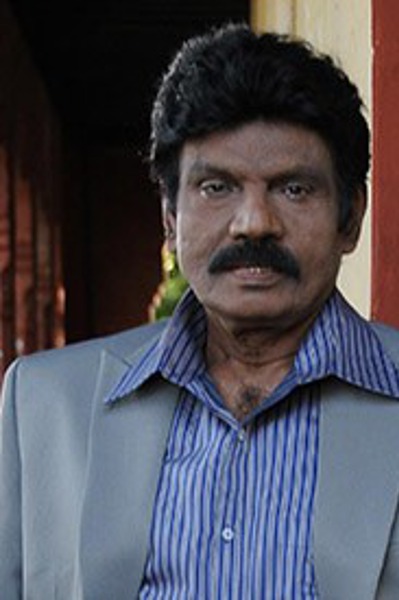










 3
3 2
2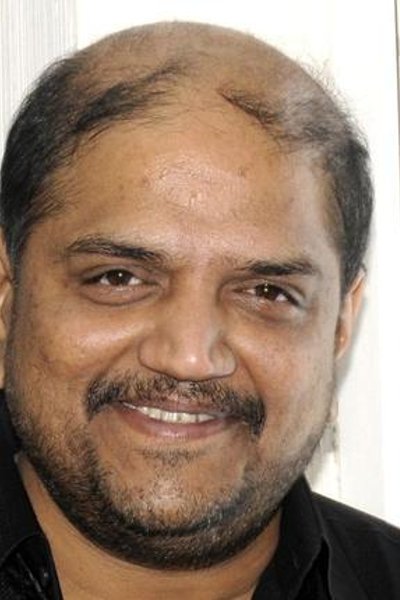 2
2

Other iconic Tamil director-actor duos
Discover other partnerships with comparable filmographies and ratings
 Premgi Amaran
 Badava Gopi
 Ajith Kumar
 Trisha Krishnan
 Sarath Kumar
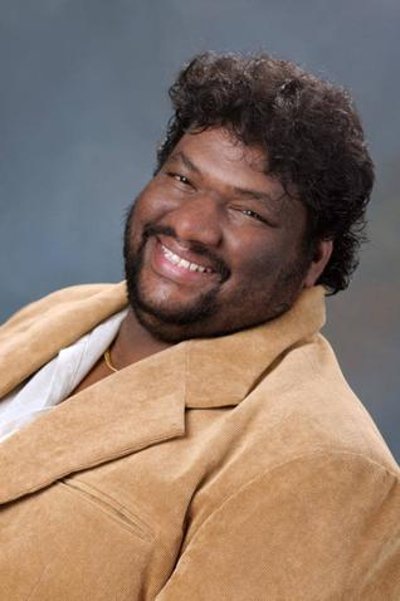 Srikanth Deva
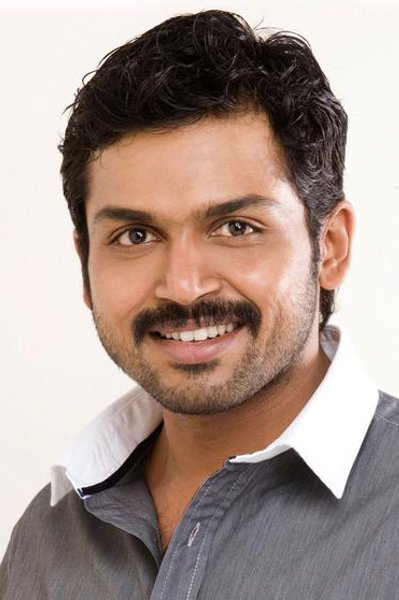 Karthi
 G. V. Prakash Kumar
 Delhi Ganesh
 Yuvan Shankar Raja
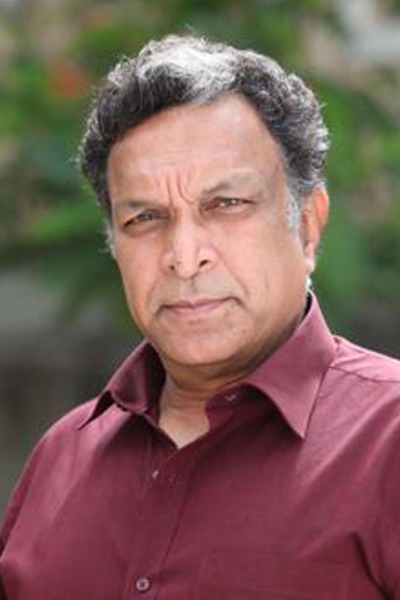 Nassar
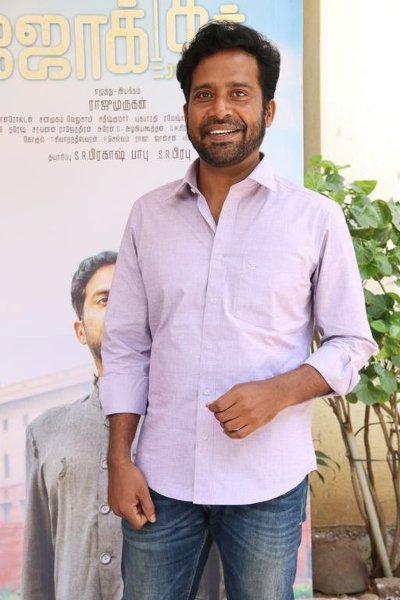 Guru Somasundaram