Bharadwaj
Bharadwaj is an Indian composer, best known for Tamil cinema. Bharadwaj began their career in 1995 and has been a prominent figure in the industry for over 31 years. With over 60 credits to their name, Bharadwaj remains one of the most prolific and celebrated talents in the industry.
- Born
- Age
- 66
Biography
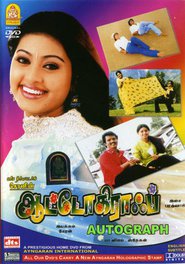
Bharadwaj (born Ramani Ramaswamy, July 3, 1960) is a Tamil film music composer who scored music for over 75 feature films, known for his long-running collaboration with director Saran. He won the Filmfare Award for Best Music Director for Gemini (2002) and Autograph (2004), and the song 'Ovvavoru Pookalume' from Autograph earned National Awards for Best Singer and Best Lyricist. He received the Kalaimamani Award from the Tamil Nadu government in 2008, recognizing his contributions to Tamil cinema's popular music landscape of the 2000s. His work on films such as Thiruttu Payale (2006) and Muni (2007) demonstrated his versatility across thriller and horror-comedy genres.
Career Milestones
Music composing debut in Tamil films
Breakthrough with Ayya soundtrack
View film →Critical acclaim for Thiruttu Payale score
View film →Received Kalaimamani Award from Government of Tamil Nadu
Expanded to multilingual film composing (Tamil, Telugu, Malayalam, Kannada)
Bharadwaj by the Numbers
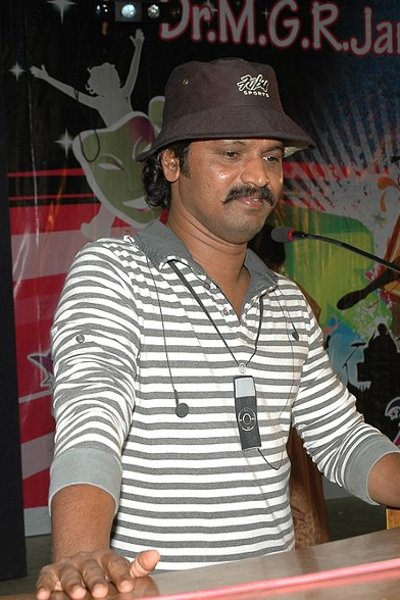
If you watched every Bharadwaj film back-to-back, you'd be at it for roughly 4 days and 9h. Most-paired with Charlie — 11 films together.
Filmography
See all 60 credits →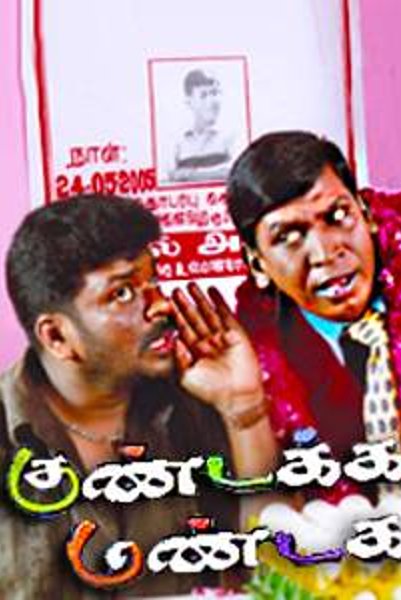
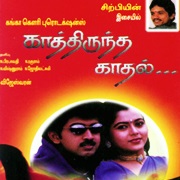
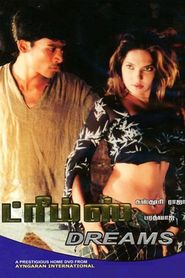
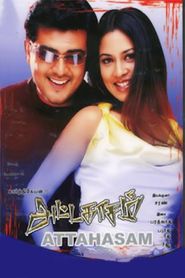
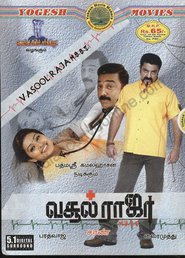
Collaboration Network
The Constellation
Top 10 most-paired collaborators. Bubble size and line thickness reflect how many films they share with Bharadwaj.
Career Analytics
Language Distribution
Films by Decade
Top Co-Actors
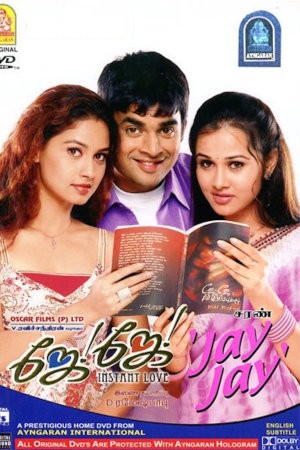
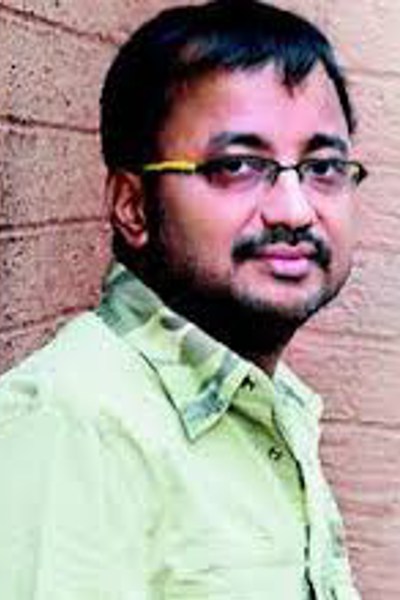
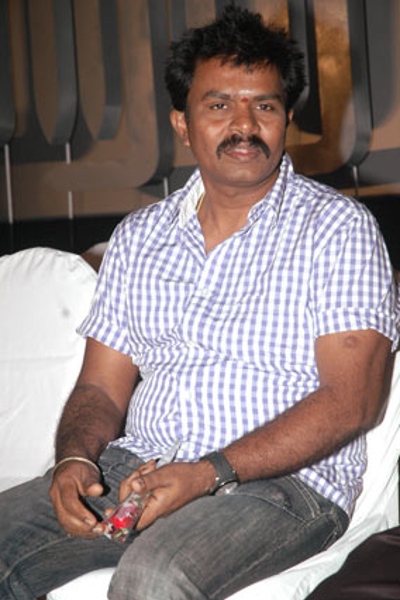
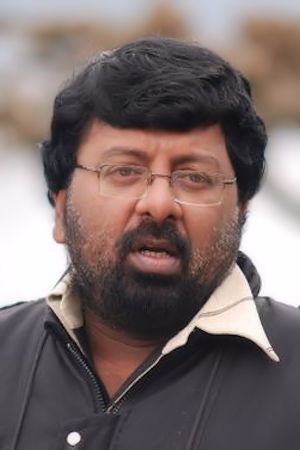
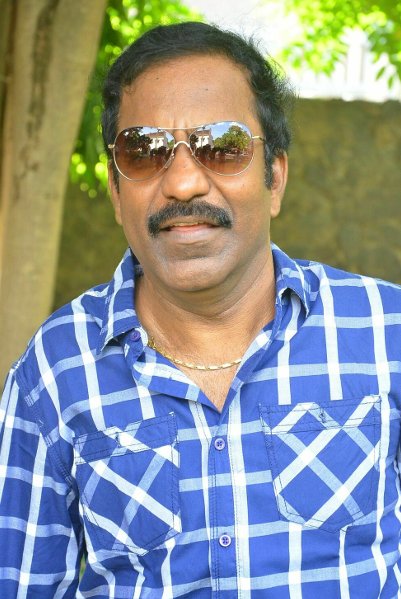
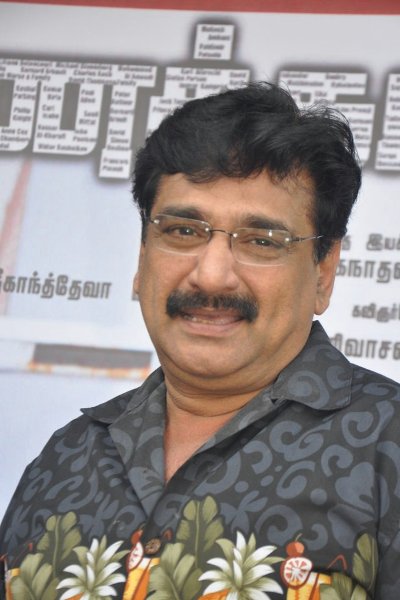
See all →Bharadwaj has worked most frequently with Saran (9 films), Cheran (2 films), Hari (2 films), Selva (2 films), and Thangar Bachan (2 films).

Legacy & Influence
Bharadwaj is a prominent figure in Indian cinema, recognized primarily as a critically acclaimed film director, screenwriter, and music composer. His career trajectory is defined by a distinct shift from composing to filmmaking, where he has carved a niche with his adaptations of classic literature and Shakespearean plays into gritty, contemporary Indian crime dramas. His most significant contribution lies in his 'Shakespeare Trilogy'—'Maqbool' (2003, adapting Macbeth), 'Omkara' (2006, adapting Othello), and 'Haider' (2014, adapting Hamlet). These films are celebrated for their masterful transposition of universal themes into specific, volatile Indian socio-political landscapes, blending intense character studies with rich visual and musical storytelling. His work is noted for its complex, morally ambiguous characters, intricate plotting, and a distinct atmospheric quality, often set against the backdrop of gangster politics or regional conflict. As a composer, his music is integral to his films, characterized by rustic, folk-inspired melodies and poignant lyrics that deepen narrative impact. His influence extends to inspiring a wave of filmmakers to explore literary adaptations with local authenticity and to treat the crime genre with greater psychological depth and stylistic rigor. He has elevated the artistic prestige of mainstream Hindi cinema, proving that commercially viable films can also be serious artistic endeavors. His filmography, though selective, demonstrates a consistent commitment to craft and has cemented his reputation as an auteur with a unique voice in modern Indian filmmaking.