K. S. Gopalakrishnan
K. S. Gopalakrishnan is an Indian director, best known for Tamil cinema. K. S. Gopalakrishnan began their career in 1962. With over 60 credits to their name and an average audience rating of 7.3, K. S. Gopalakrishnan remains one of the most prolific and celebrated talents in the industry. Spanning 60+ years, K. S. Gopalakrishnan's career remains one of the longest and most celebrated in Tamil cinema.
Biography
K. S. Gopalakrishnan, known by the honorific 'Iyakkunar Thilagam' (doyen among directors), was a prolific Tamil film director who helmed approximately 70 films across Tamil, Malayalam, Hindi, and Telugu cinema over a career spanning from 1962 to 1992. He won three consecutive Tamil Nadu State Awards and National Film Awards for 'Sarada' (1962), 'Karpagam' (1963), and 'Kai Kodutha Dheivam' (1964), and received the Kalaimamani title from the Tamil Nadu Government in 1975. His film 'Panama Pasama' (1968) was invited to the Tashkent Film Festival, winning three certificates of merit and bronze medals, and he is credited with introducing actress Sridevi to Tamil cinema. He directed 'Deviyin Thiruvilaiyadal' (1982) and 'Padikkaatha Pannaiyar' (1985) among his later works, and passed away on November 14, 2015, in Chennai.
K. S. Gopalakrishnan by the Numbers
If you watched every K. S. Gopalakrishnan film back-to-back, you'd be at it for roughly 3 days and 23h. Most-paired with K. V. Mahadevan — 15 films together.
Filmography
See all 60 credits →Collaboration Network
The Constellation
Top 10 most-paired collaborators. Bubble size and line thickness reflect how many films they share with K. S. Gopalakrishnan.
Career Analytics
Language Distribution
Films by Decade
Top Co-Actors
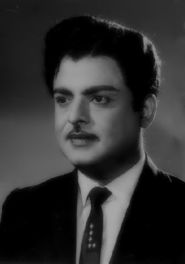
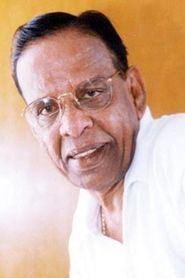
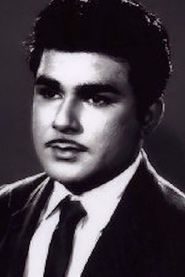
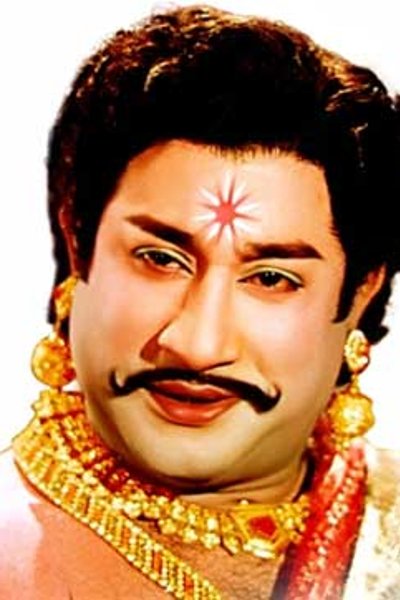
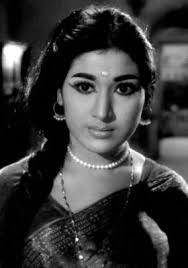
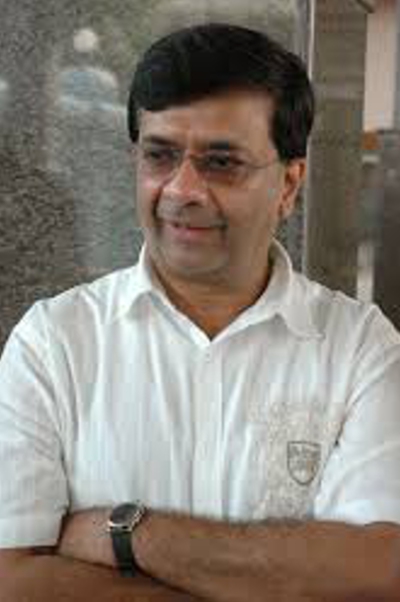
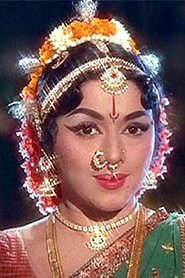
See all →K. S. Gopalakrishnan has worked most frequently with K. R. Vijaya (14 films), Gemini Ganesan (13 films), Nagesh (8 films), Jaishankar (6 films), and Sivaji Ganesan (5 films).



Legacy & Influence
K. S. Gopalakrishnan was a significant figure in Tamil cinema, primarily active as a director and screenwriter from the 1950s through the 1970s. His career trajectory is notable for its focus on socially conscious themes, often exploring family dynamics, moral dilemmas, and the struggles of the common man within a melodramatic framework. He is best remembered for his collaborations with the iconic actor Sivaji Ganesan, directing him in several successful films that showcased the actor's versatility. Gopalakrishnan's filmmaking was characterized by a strong narrative drive and an ability to handle emotional subjects with a degree of sensitivity that resonated with the Tamil audience of his time. His contributions lie in popularizing a certain genre of family-oriented social dramas that balanced entertainment with moral messaging. While not as frequently discussed in critical circles as some of his contemporaries, his work formed a reliable and influential strand of mainstream Tamil cinema during its golden era. His films often featured strong female characters and addressed social issues, albeit within conventional cinematic structures. The longevity of his career and his consistent output helped shape the commercial landscape of Tamil films, proving the viability of story-driven dramas centered on ethical conflicts and familial bonds.