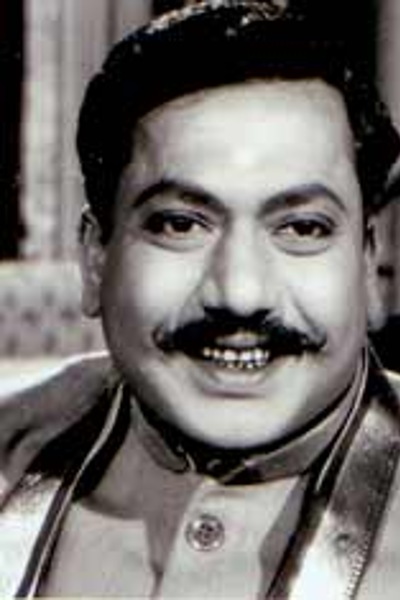
K. Vijayan
K. Vijayan is an Indian director, best known for Tamil cinema. K. Vijayan began their career in 1969. With over 60 credits to their name and an average audience rating of 7.0, K. Vijayan remains one of the most prolific and celebrated talents in the industry. Spanning 50+ years, K. Vijayan's career remains one of the longest and most celebrated in Tamil cinema.
Biography
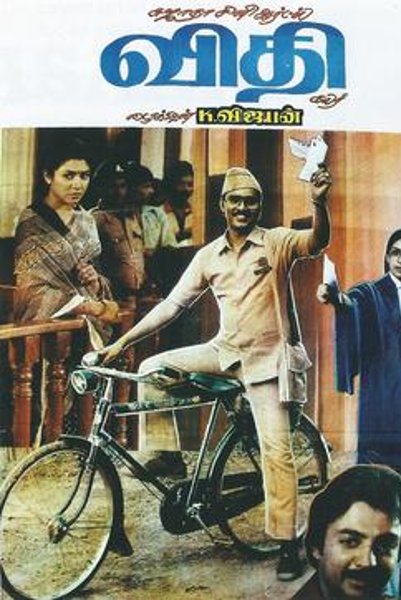
K. Vijayan (born December 7, 1939, Tirur, Kerala; died July 21, 1988, Chennai) was an Indian film director who worked primarily in Tamil cinema over a career spanning nearly two decades. He directed over 60 films, including the 1979 blockbuster Thirisoolam and later Bandham (1985), Mangamma Sapatham (1985), Viduthalai (1986, a remake of the Hindi film Qurbani), and Krishnan Vandhan (1987), frequently collaborating with veteran actor Sivaji Ganesan. He was closely associated with producer K. Balaji of Sujatha Cine Arts and built a reputation for commercially oriented Tamil entertainers. He died in 1988 while shooting En Rathathin Rathame, which was completed posthumously by his son Sundar K. Vijayan.
Career Milestones
Acting debut in Paadhai Theriyudhu Paar, a film that won National Film Award for Second Best Feature Film
Directorial debut in Tamil cinema, beginning long association with producer K. Balaji of Sujatha Cine Arts
Directed Vandichakkaram, which won Filmfare Award for Best Tamil Actor (Sivakumar) and Best Tamil Actress (Saritha), and Tamil Nadu State Film Award for Best Film
Directed Mangamma Sapatham starring Kamal Haasan and Sathyaraj
View film →Directed Bandham starring Sivaji Ganesan, his last major production before his death on 1 January 1988
View film →K. Vijayan by the Numbers
If you watched every K. Vijayan film back-to-back, you'd be at it for roughly 3 days and 14h. Most-paired with Sivaji Ganesan — 13 films together.
Filmography
See all 60 credits →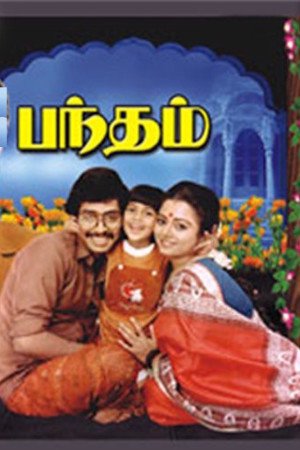
Collaboration Network
The Constellation
Top 10 most-paired collaborators. Bubble size and line thickness reflect how many films they share with K. Vijayan.
Career Analytics
Language Distribution
Films by Decade
Top Co-Actors
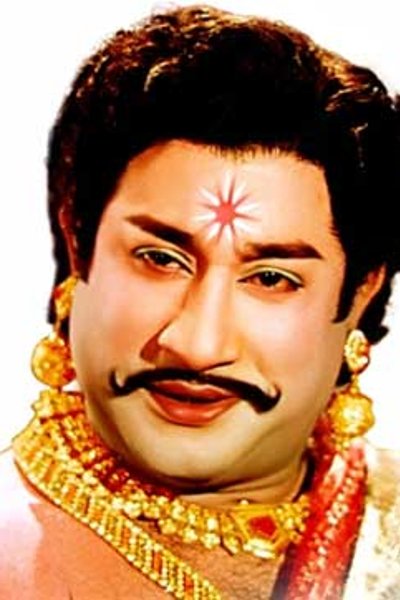
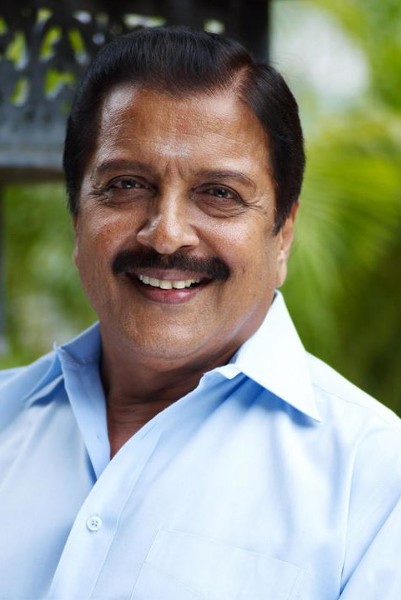
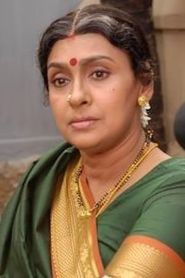
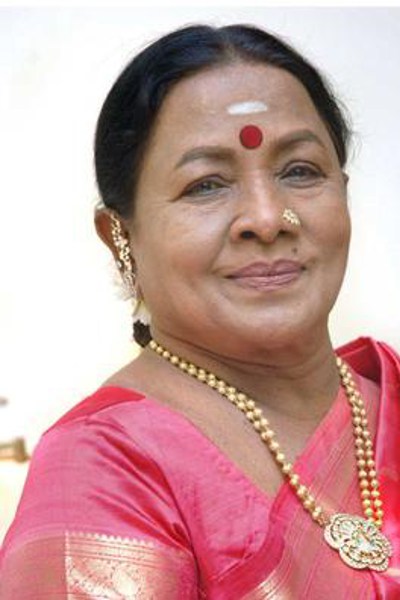
See all →K. Vijayan has worked most frequently with Sivaji Ganesan (13 films), Thengai Srinivasan (7 films), Lakshmi (5 films), Mohan (5 films), and Sivakumar (5 films).
Legacy & Influence
K. Vijayan was a prominent director and cinematographer in South Indian cinema, particularly active in Tamil and Malayalam films from the 1960s through the 1980s. He is best remembered for his significant contributions as a cinematographer, where his work was noted for its visual clarity and effective framing, which enhanced the narrative impact of numerous films. His directorial career, though less prolific, included notable films that showcased his ability to handle diverse genres, from action dramas to social themes. A key aspect of his legacy is his long-standing collaboration with major stars and directors of the era, most notably with the iconic actor M.G. Ramachandran (MGR). Vijayan served as the cinematographer for several of MGR's landmark films, including 'Nadodi Mannan' (1958) and 'Enga Veettu Pillai' (1965), helping to shape the visual style that became synonymous with the star's heroic persona. His cinematography in these films played a crucial role in elevating MGR's on-screen image, contributing to the cultural and political mythology surrounding the star. Beyond MGR, he worked with other leading figures such as Sivaji Ganesan and directors like P. Neelakantan. His technical expertise and reliability made him a sought-after professional in the industry during its formative post-studio era. While not as frequently discussed as some of his contemporaries, K. Vijayan's body of work represents an important thread in the technical and artistic development of South Indian cinema. His career exemplifies the crucial, though often behind-the-scenes, role of the cinematographer in crafting the visual language of commercial Indian cinema during a period of great stylistic evolution and star-driven narratives.